Ecology
The Boreal Biome: Climate, Soil, and Forest Structure
How short summers, permafrost, and acidic soils shape one of the most distinctive forest ecosystems on the planet.
The boreal forest stretches across the northern third of Canada — a vast belt of spruce, fir, and muskeg that stores carbon, sustains wildlife, and defines the ecological identity of the country.
How short summers, permafrost, and acidic soils shape one of the most distinctive forest ecosystems on the planet.

Woodland caribou, the Canada lynx, wolverines, and great grey owls — the animals that hold the boreal ecosystem in balance.

Examining the protected-area network, industrial land use, and the role of Indigenous stewardship in preserving the boreal.
Spanning from Newfoundland and Labrador to the Yukon and parts of British Columbia, Canada's boreal forest forms the southern fringe of the circumpolar taiga belt. It covers roughly 552 million hectares — approximately 77 percent of Canada's total forest area.
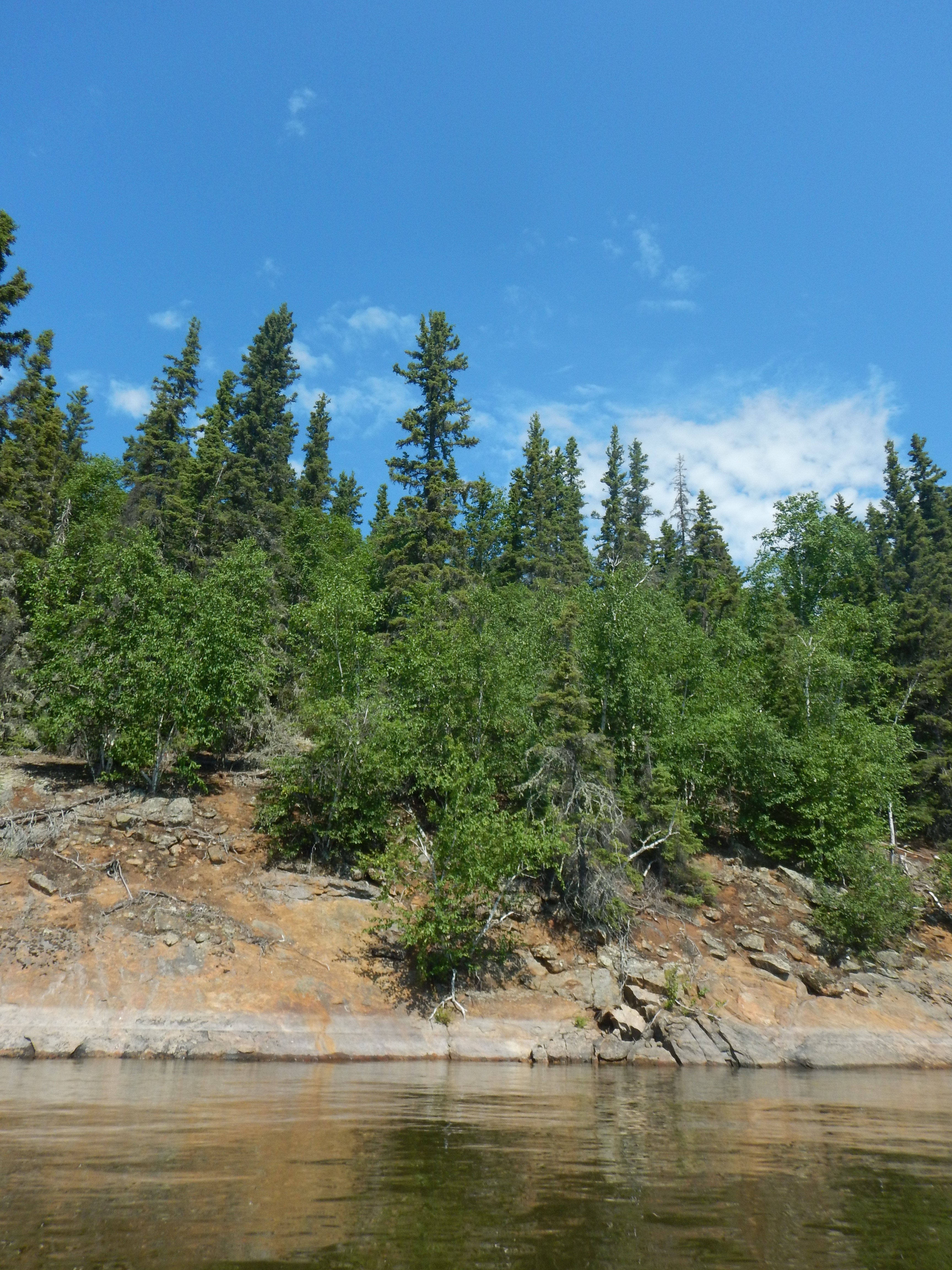
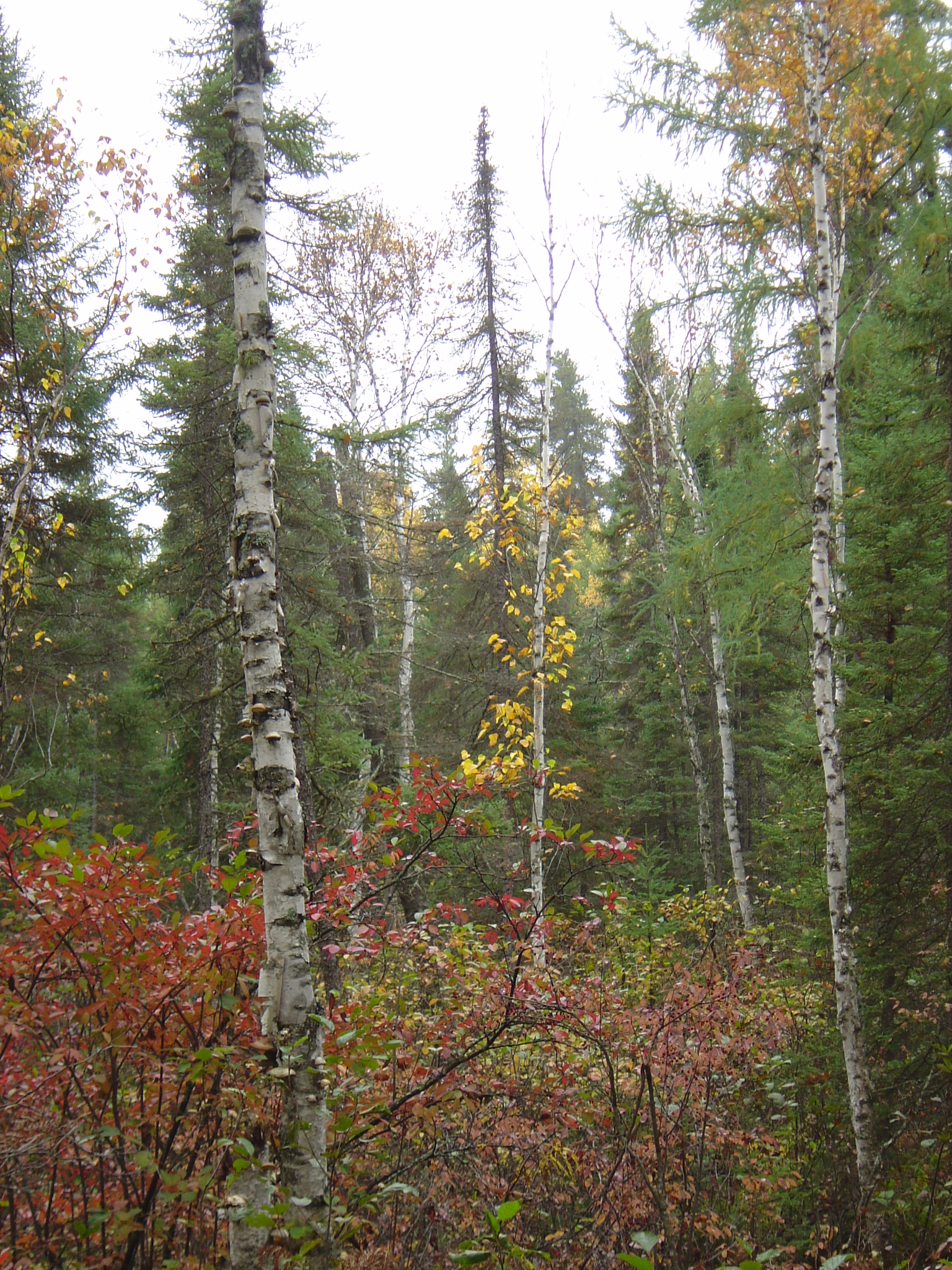
The biome is defined by its cold continental climate, vast peatlands, and species assemblages adapted to fire, permafrost, and long winters. Black spruce, jack pine, trembling aspen, and tamarack dominate much of the canopy, while sphagnum moss carpets the forest floor in wetter zones.
Because of its scale and intact character in many regions, the Canadian boreal carries disproportionate global significance for carbon storage, freshwater retention, and migratory bird habitat.

Approximate area of Canada's boreal forest zone, including uplands and peatlands
Species known to breed in the Canadian boreal, many of them long-distance migrants
Boreal peatlands and upland soils represent one of the largest terrestrial carbon pools in the Northern Hemisphere